 ultimate-guide
Getting Early Reviews for Indie Books: A 2026 Guide
Table of Contents
- Why Early Reviews Matter for Indie Authors
- Editorial Reviews vs. Reader Reviews: What Indie Authors Need
- When to Send Advance Reader Copies: A Launch Timeline
- How to Find Book Reviewers on Instagram and Other Platforms
- Preparing Your Advance Reader Copy for Indie Authors
- Crafting a Book Blogger Review Request Template That Works
- Building and Managing Your Review Campaign
- Measuring Your Review Campaign Performance
- Frequently Asked Questions
Last Updated: October 12, 2026
Why Early Reviews Matter for Indie Authors
Getting early reviews for indie books isn't optional, it's the foundation of a successful launch. When you're self-published, early reviews serve as social proof that tells potential readers your book is worth their time and money. The challenge is that most indie authors don't have the existing audience or platform to generate those reviews organically.
Early reviews accomplish three critical things. First, they build credibility with algorithms on retail platforms like Amazon, which use review velocity and rating to determine visibility. Second, they create authentic feedback that helps you refine marketing messaging before spending money on ads.
The timeline matters enormously. Launching without early reviews means your first weeks of sales rely entirely on your own marketing efforts. Books with 20-30 verified reviews at launch outperform those with none, even when the books themselves are equally strong.
Editorial Reviews vs. Reader Reviews: What Indie Authors Need
Editorial reviews come from professional book reviewers, industry publications, or established review sites. These carry significant weight with booksellers, book clubs, and serious readers. However, they're expensive (often $100-500 per review), selective about what they accept, and take 6-12 weeks to deliver.
Reader reviews come from actual book enthusiasts who've read your work. They're free or low-cost, arrive faster, and feel authentic to potential buyers browsing your book online. The downside is volume, you need dozens of reader reviews to match the impact of a few editorial ones.
The real difference between the two isn't prestige, it's audience. Editorial reviews influence librarians, bookstore buyers, and media. Reader reviews influence other readers making purchase decisions.
A practical hybrid approach: collect 15-20 reader reviews before launch, then invest in 2-3 editorial reviews if budget allows. This gives you credibility signals across multiple channels. Many indie authors skip editorial reviews entirely and succeed with reader reviews alone, it's just slower.
When to Send Advance Reader Copies: A Launch Timeline
Timing determines how many reviews you'll actually receive. Send advance reader copies too early, and reviewers forget about your book before launch. Send them too late, and you won't have reviews live when you need them most.
The 4-Month Window (Recommended Timeline):
- Month 4 before launch: Finalize your manuscript and create the advance reader copy file. This is also when you should identify and begin outreach to potential reviewers.
- Month 3 before launch: Send ARCs to your first wave of reviewers, book bloggers, BookTok/Bookstagram influencers, and niche review communities. Aim for 30-50 initial requests.
- Month 2 before launch: Follow up with reviewers who haven't responded, send a second wave to additional reviewers, and begin collecting early reviews as they arrive.
- Month 1 before launch: Monitor incoming reviews, request any final reviews from high-priority reviewers, and prepare to launch with whatever review count you've achieved.
- Launch day: Your book goes live with 10-30+ reviews already posted, which signals quality to algorithms and new readers.
This timeline assumes you're working with dedicated advance readers who prioritize indie books. If you're reaching out to mainstream book bloggers or reviewers, add 2-4 weeks to your timeline.
How to Find Book Reviewers on Instagram and Other Platforms
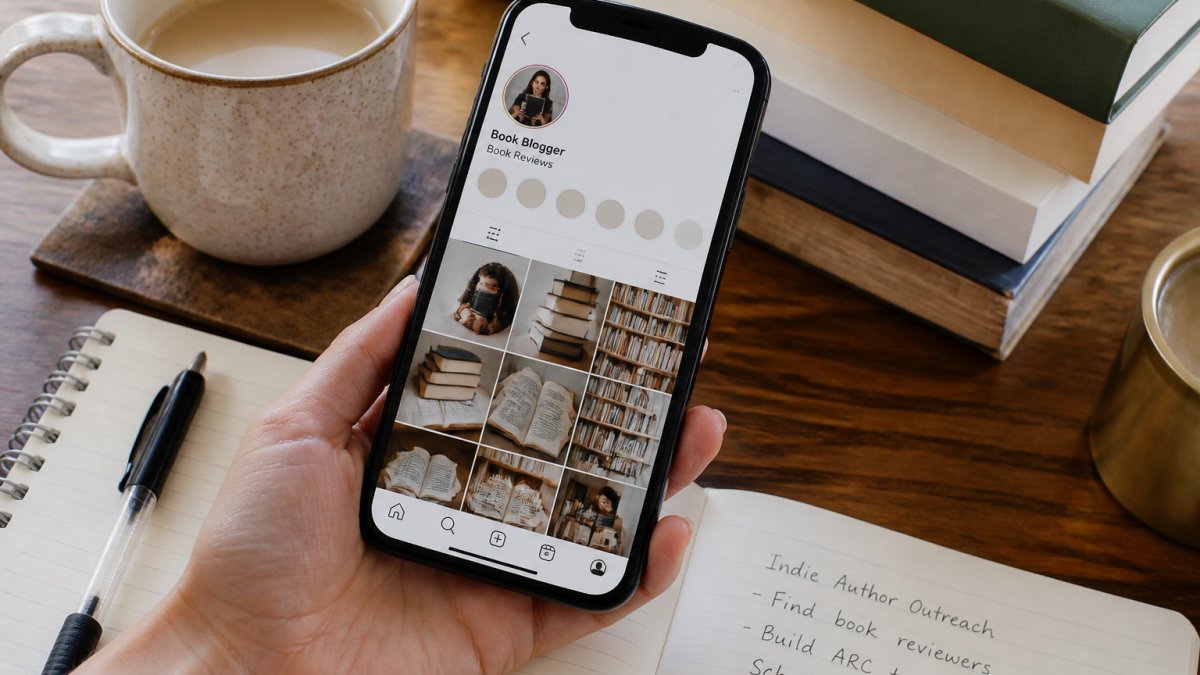
Finding reviewers on Instagram and other platforms requires a strategic approach. You're not looking for random book lovers, you're looking for people who actively review books and have engaged audiences.
On Instagram (Bookstagram):
Start by searching hashtags relevant to your genre: #bookstagram, #bookreviews, #[yourgenre]books, #bookbloggers, #arcs. Sort by "Most Recent" to find active reviewers.
Check their bio for review policy links. Many Bookstagram reviewers have Linktree or website links that explain how to send them books. If they don't, check their pinned posts or recent captions for submission guidelines.
On TikTok (BookTok):
BookTok has become a major discovery channel for indie books. Search #BookTok and #bookreviews, then filter for creators who consistently post about books in your genre.
On Goodreads:
Search for readers who've recently reviewed books similar to yours. Look at their review history, do they write detailed reviews? Do they review indie books?
On Book Blogging Platforms:
Dedicated book blogs often have submission pages with clear guidelines. Search "[your genre] book bloggers" or visit sites that aggregate book bloggers by category.
Preparing Your Advance Reader Copy for Indie Authors
Your advance reader copy needs to be professional and complete. A poorly formatted ARC signals that your finished book will be equally rough, which kills review interest.
File Format and Quality:
Send your ARC in the format the reviewer prefers. Most prefer ePub or PDF for e-readers, though some still want mobi files.
The ARC should be feature-complete, including front matter (title page, copyright page, dedication if applicable), all chapters, and back matter (author bio, acknowledgments). Many indie authors add a note: "This is an advance reader copy.
Metadata and Book Description:
Include a 2-3 sentence book description that hooks the reviewer. Don't make them guess what your book is about. If it's part of a series, mention that.
Author Bio:
Write a 50-75 word author bio that sounds professional. Include relevant credentials, previous publications, or why you're qualified to write this book. Don't oversell, let the book speak for itself.
Review Request Instructions:
Include clear instructions on where you'd like reviews posted (Amazon, Goodreads, both, or their platform of choice). Make it easy for them.
Crafting a Book Blogger Review Request Template That Works
Your review request email is the first impression you make. It needs to be personalized, professional, and respectful of the reviewer's time.
Template Structure:
Subject line: "[Genre] ARC Opportunity: [Book Title] by [Your Name]"
Opening: Address them by name. Reference something specific about their blog or recent reviews to show you've done research.
Example: "Hi Sarah, I've been following your Bookstagram for months and loved your recent review of [similar book].
Book Pitch: Give them 2-3 sentences about your book. Lead with the hook, not the synopsis. What makes it unique?
Example: "My debut fantasy novel follows a reluctant hero who discovers her magic comes with a devastating cost.
The Ask: Be direct. "I'd love for you to consider reviewing my advance reader copy.
Details: Include genre, word count, content warnings, and where you'd like the review posted.
Closing: Thank them for considering, even if they decline. Keep it brief.
Common Mistakes to Avoid:
Don't send generic mass emails, reviewers can tell.
Building and Managing Your Review Campaign
A review campaign requires tracking and follow-up. You need to know who you've contacted, who's responded, and when reviews are expected to post.
Create a Spreadsheet:
Track reviewer name, platform, email/contact info, date contacted, ARC sent date, response status, and expected review date. Update it weekly. This prevents duplicate outreach and helps you follow up strategically.
Wave Strategy:
Send ARCs in waves rather than all at once. Your first wave (30-40 reviewers) goes out 3-4 months before launch. Wait 2 weeks, then assess response rates.
Follow-Up Protocol:
Send a polite follow-up email 2 weeks after your initial contact if you haven't heard back. A second follow-up at 4 weeks is acceptable, but stop there.
Relationship Building:
Thank every reviewer who posts a review, even if it's negative. Engage with their content on social media. These relationships often lead to future review opportunities and word-of-mouth promotion.
At The Early Shelf, we help indie authors simplify this process by connecting them with advance readers who are actively seeking indie books.
Measuring Your Review Campaign Performance
Track what actually works so you can improve future launches.
Key Metrics:
Count your outreach rate (how many reviewers you contacted), response rate (how many replied positively), and completion rate (how many actually posted reviews).
Track review velocity, how many reviews post per week in the first month after launch. Books with strong early velocity rank higher in algorithms. Aim for at least 5 reviews per week in your first month.
Monitor review sentiment. Are reviewers praising the same elements, or are opinions scattered? Consistent praise tells you what to emphasize in marketing. Mixed feedback tells you where your book might have genuine weaknesses worth addressing in future editions.
Calculating ROI:
If you invested time or money in your review campaign, estimate the value. Did 10 early reviews generate 50 sales? That's a concrete outcome. Did they get you featured on a book blog or newsletter? That's secondary value. Understanding this helps you budget for future launches.
Getting early reviews for indie books requires strategy, not just luck. The Early Shelf connects indie authors directly with advance readers who are genuinely interested in discovering new independent titles, removing the friction of finding and managing reviewers yourself. Learn more about building your indie author platform to understand how early reviews fit into your broader launch strategy.
Frequently Asked Questions
When should an indie author start asking for early reviews?
Start outreach 8-12 weeks before your planned publication date. This timeline allows reviewers time to read and post before launch, building initial momentum. For advance reader copies specifically, send them 6-8 weeks pre-launch to give readers adequate time. Earlier contact (3-4 months out) works for initial relationship-building and blogger outreach, but actual copies should arrive closer to the deadline to maximize review clustering around your publication date.
Can I offer a free book in exchange for an honest review without violating retailer guidelines?
Yes, offering free advance reader copies in exchange for honest reviews is standard practice and permitted by major retailers like Amazon and Apple Books. The key is transparency: reviewers must disclose that they received a free copy. Include this disclosure requirement in your review request and ARC terms. Avoid language implying reviewers must leave positive reviews, emphasize that you want honest feedback. Most platforms require reviewers to note 'I received a free copy of this book' in their review, which satisfies disclosure requirements.
What makes a book blogger review request template effective?
An effective template is personalized, specific, and brief. Open by mentioning a book they've reviewed that aligns with yours (not generic praise). Include your book's genre, premise, and target audience in 2-3 sentences. Specify the review deadline and format (Goodreads, Amazon, their blog). Attach or link to your ARC file and include your author bio. Close with a clear call-to-action and your contact details. Personalization dramatically increases response rates, generic mass emails get ignored, while emails referencing their specific reviews see 3-5x better engagement.
How do I find book reviewers on Instagram who actually review indie books?
Search hashtags like #bookstagram, #bookblogger, #bookreviewer, and #booktubereviewer, filtering by your genre (e.g., #bookstagramromance, #bookstagramfantasy). Look for accounts with 1,000-50,000 followers posting regular reviews, they're more accessible than mega-influencers and have engaged audiences. Check their bio for contact info or 'review requests' link. Read their recent posts to confirm they review indie titles. Use Instagram's 'Explore' page to find similar accounts to those already reviewing indie books. Direct messaging works, but email (if listed) gets faster responses.
What should I include in an advance reader copy for indie authors?
Include the complete, polished manuscript (PDF, ePub, or Mobi format). Add a cover image, book description, author bio (100-150 words), publication date, and any trigger warnings relevant to your genre. Include clear instructions on where and how to post the review (Goodreads, Amazon, their blog, etc.). Specify the review deadline. Add your contact info for questions. For print ARCs, include a printed cover, title page, and the full manuscript. Digital ARCs should be easy to read on multiple devices. Keep file sizes reasonable to avoid delivery issues.
How can indie authors get reviews without violating retailer guidelines?
Follow these key rules: reviewers must disclose they received a free copy, never require positive reviews in your terms, never pay for reviews (only for the book itself), and don't solicit fake reviews from friends or family posing as strangers. Encourage honest feedback explicitly. Keep records of who received copies and when, this helps if a retailer questions review authenticity. Amazon and Goodreads have detailed review policies available on their sites; familiarize yourself with current requirements before launching your campaign.