 how-to
How to Find Book Reviewers for Free: A 2026 Guide
Table of Contents
- Where to Find Book Reviewers for Free
- How to Find Book Reviewers on Instagram
- Free Book Review Sites and Platforms
- Building Your Advance Readers for Indie Books
- Crafting Your Book Review Request Email Template
- Step-by-Step Reviewer Outreach Workflow
- Common Mistakes to Avoid When Seeking Book Reviews
- Frequently Asked Questions
Last Updated: October 21, 2026
Where to Find Book Reviewers for Free
Learning how to find book reviewers for free doesn't require a paid service.
Goodreads remains one of the largest book discovery platforms, with millions of readers tracking, rating, and reviewing books daily (T.J. Slee's Blog - Who is the average Goodreads user? You'll be surprised!).
Reddit hosts dozens of book communities where readers actively seek advance copies. Subreddits like r/BookRecommendations, r/IndieAuthors, and genre-specific forums connect you with people who want new titles, but they value genuine interaction over self-promotion.
Niche book forums and fan communities exist for almost every genre, so your outreach reaches people who actually want your type of book.
Goodreads and Reader Communities
Goodreads hosts millions of active readers who review books regularly, and many specifically follow indie releases in their favorite genres.
Search for readers who have reviewed books similar to yours. Check their shelves to confirm they read your genre, and note their review style, detailed or brief, both valuable.
Join Goodreads groups focused on your genre or indie publishing, like "Indie Book Lovers" and "Self-Published Fantasy." Many moderators allow release posts, but read the rules first.
Become an active community member before promoting your work: leave thoughtful comments and review books you've read. This builds credibility and makes your announcement feel less like spam.
Reddit and Niche Book Forums
Reddit communities offer direct access to engaged readers, but the platform rewards authenticity and punishes obvious self-promotion.
Read the subreddit rules before posting. Some allow direct book links; others require discussion participation first. Following them signals respect and increases genuine interest.
Post in weekly book promotion threads when available, they attract readers specifically looking for new releases. Include a brief description, your genre, and where to find your book.
Participate in genre discussions, answer questions, and engage with other authors' work. This builds trust and makes readers more likely to check out your book when you mention it.
How to Find Book Reviewers on Instagram
BookTok and Bookstagram have transformed book discovery. Thousands of book influencers post daily about new releases, and many actively seek advance copies to review.
Instagram's book community skews younger and heavily features fantasy, romance, and thriller. If your book fits these categories, Instagram offers significant reach, even niche subgenres have active communities.
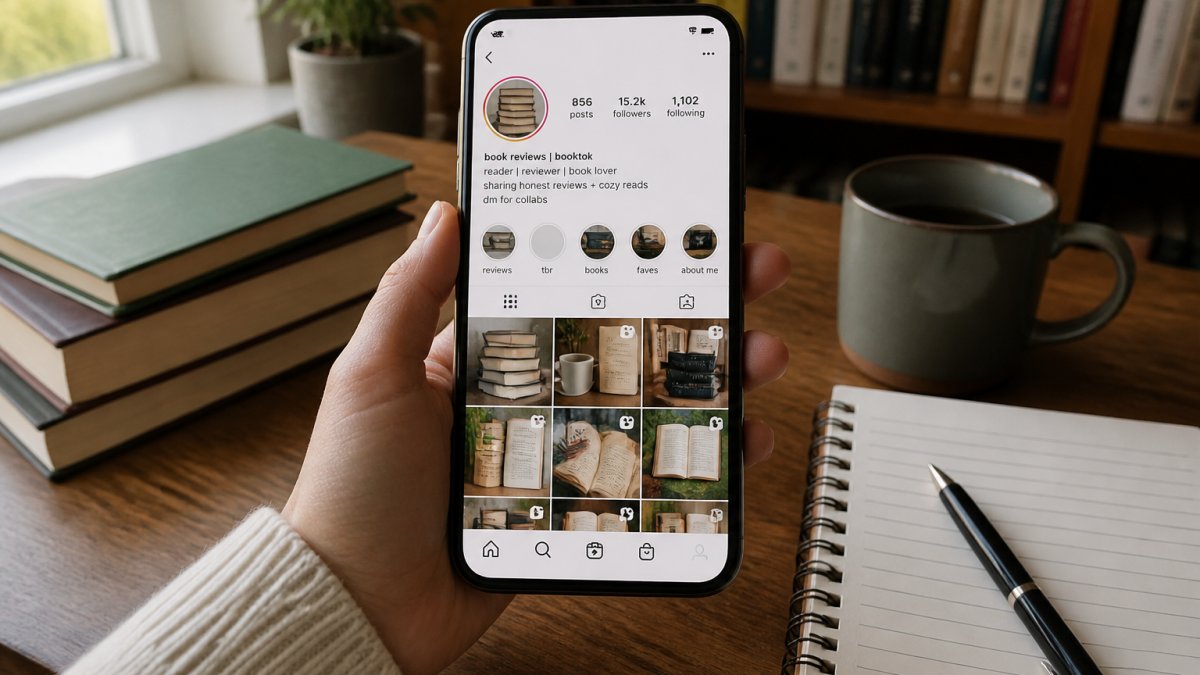
Identifying Active BookTok and Bookstagram Accounts
Search genre hashtags like #BookstagramCommunity, #BookTok, #IndieBooks, #BookstagramFantasy, or #RomanceReads, and identify accounts posting regularly about books.
Look for consistent posting schedules, reviewers posting multiple times weekly are more likely to follow through. An account with 5,000 followers and high engagement often beats one with 50,000 and minimal interaction.
Read their bio. Many reviewers state their preferred genres and whether they accept advance copies, sometimes with contact info or submission forms, saving you time identifying who actually wants books in your genre.
Engagement Signals That Indicate Real Reviewers
Real reviewers show consistent engagement: they respond to comments, engage with other creators, and ask questions about books, signals of genuine investment rather than follower-collecting.
Check whether they've reviewed indie books before. If they've already reviewed self-published work with thoughtful feedback, they're more likely to do the same for you.
Look at review quality: do they discuss themes, character development, and writing style, or just rate books? Reviewers who put in effort provide more useful feedback and better promotional content.
Free Book Review Sites and Platforms
Several platforms connect indie authors with readers willing to review books for free.
Understanding Review Policies and Eligibility
Each platform has specific rules about qualifying books and what reviewers can do with them. Read these policies carefully before submitting.
Most platforms require an ISBN for your book. Self-published books can obtain ISBNs through services like Bowker or through self-publishing platforms like Amazon KDP.
Review policies typically specify how long reviewers have to read and review your book, commonly 30 to 90 days. Understand these expectations before submitting.
Some platforms require reviewers to post reviews on specific sites like Amazon or Goodreads. Others allow private reviews sent only to the author. Know where your reviews will appear before submitting your book.
Building Your Advance Readers for Indie Books
Creating an advance reader network gives you control over the review process. These readers commit to reading your book before publication and posting honest reviews.
Start by identifying potential advance readers from your existing network. Friends, family, and social media followers often make excellent first readers. People who have already shown interest in your writing are more likely to follow through on review commitments.
Expand beyond your immediate circle by reaching out to book bloggers, Goodreads reviewers, and Instagram book influencers. Look for people who have reviewed books in your genre or from indie authors. Send personalized messages explaining why you think they'd enjoy your book.
Creating Your Advance Reader Copy (ARC) Strategy
An ARC strategy defines how you'll distribute your book to readers before launch. Decide whether you'll offer digital copies, print copies, or both. Digital copies cost nothing but feel less special.
Set a clear timeline. Decide when you'll send ARCs and when you need reviews back. Most authors send ARCs 4-8 weeks before launch.
Create an ARC request form. Use Google Forms or Typeform to collect reader information. Ask for their name, email, preferred reading format, and which platform they'll post reviews on.
Personalize your outreach. Generic mass emails feel impersonal and get ignored. Reference the reader's previous reviews or posts. Explain specifically why you think they'll enjoy your book.
Setting Realistic Expectations for Review Turnaround
Not every ARC recipient will post a review. This varies based on book length, genre, and reviewer commitment level.
Set a review deadline but remain flexible. Life happens. Readers get busy. A 60-day window is reasonable for most books. Send a friendly reminder at the 45-day mark for those who haven't posted yet.
Accept that some reviewers will take longer than others. Some post reviews immediately after finishing. Others wait weeks or months. Having a mix of quick and slow reviewers helps spread out your review momentum across a longer period.
Crafting Your Book Review Request Email Template
Your outreach email determines whether reviewers will actually read and review your book. A strong template increases response rates significantly.
The best templates feel personal, not templated. They show you've researched the reviewer and understand their preferences. They clearly explain what you're asking for and what you're offering in return.
Template Structure and Key Elements
Subject line: Keep it short and specific.
Opening: Address the reviewer by name. Reference something specific about their previous reviews or content.
Hi [Reviewer Name],
I've been following your reviews on [Platform] for a while now.
Body: Explain your book clearly and briefly. Include the genre, premise, and why it matches their interests.
[Book Title] is a [genre] about [one-sentence premise].
Request: Be direct about what you're asking.
I'd love to send you an advance copy.
Closing: Thank them for considering your request. Keep it brief and professional.
Thanks for considering! I'd be thrilled to hear what you think of the book.
Personalizing Your Outreach for Genre Fit
Never send the same email to every reviewer. Adjust your message based on their specific interests and previous reviews.
If a reviewer has written extensively about character-driven fantasy, emphasize your book's character development. If they loved a particular trope, mention whether your book includes it.
Reference specific reviews when possible. "I loved your review of [Book] where you discussed..." feels genuine. Generic praise feels like spam.
Adjust your tone to match the reviewer's style. If they write casual, funny reviews, your email can be more conversational. If they write formal, analytical reviews, keep your tone professional.
Step-by-Step Reviewer Outreach Workflow
A systematic approach to how to find book reviewers for free saves time and increases success rates.
Week 1-2: Research and List Building Create a spreadsheet with potential reviewers.
Week 2-3: Personalized Outreach Send personalized emails to your top 10-15 prospects. Don't send them all at once.
Week 3-4: Follow-up and Expansion Check for responses. Follow up with non-responders after one week. Begin contacting your next batch of reviewers.
Week 4-6: Send ARCs Mail or email ARCs to confirmed reviewers.
Week 6+: Monitor and Track Track where reviews appear. Update your spreadsheet as reviews post. Note which reviewers followed through and which didn't.
Qualifying Reviewers Before You Send Your Book
Not every interested reviewer is worth sending an ARC to. Qualify reviewers to ensure they're likely to follow through.
Check their review history. Do they actually post reviews? Some readers enthusiastically accept ARCs but never post reviews. Look for evidence of consistent review posting before sending your book.
Verify genre fit. A reviewer who loves historical fiction might not connect with your sci-fi romance. Even if they express interest, consider whether your book truly matches their preferences.
Assess communication quality. Reviewers who write thoughtful, detailed reviews will create better promotional content than those who post one-sentence reviews. Both are valuable, but knowing the difference helps set expectations.
Tracking and Measuring Your Outreach Results
Keep detailed records of your outreach efforts. Track who you contacted, when, and their response. Note which platforms led to reviews and which didn't.
Calculate your response rate. How many reviewers did you contact? How many responded? How many actually posted reviews? This data helps you refine your approach for future books.
Monitor where reviews appear. Track reviews on Amazon, Goodreads, and other platforms. Calculate how many reviews you received and how long they took to post after you sent the ARC.
Measure the impact of reviews. Track whether review activity correlates with book sales or visibility increases. This helps you understand whether your outreach efforts actually drive results.
Common Mistakes to Avoid When Seeking Book Reviews
Many indie authors approach reviewer outreach in ways that guarantee rejection.
Targeting the wrong reviewers: Sending your horror novel to romance reviewers wastes everyone's time.
Asking for guaranteed five-star reviews: Reviewers value honesty.
Following up too aggressively: One follow-up after a week is reasonable. Multiple follow-ups feel like harassment.
Sending physical copies to everyone: Print and shipping costs add up quickly. Start with digital copies.
Ignoring review policies: Each platform has specific rules about review posting and timing.
Not tracking results: Without tracking, you won't know which outreach methods actually work.
Finding book reviewers for free requires patience, research, and genuine engagement with reader communities.
Frequently Asked Questions
Is there a free book review site I can use to find reviewers?
Yes. Goodreads, Reddit book communities, and genre-specific forums host active readers who review books for free. Many indie authors also find reviewers through Instagram BookTok and Bookstagram accounts. The key is identifying reviewers whose genre preferences match your book and who have a track record of leaving detailed, honest reviews rather than just downloading and disappearing.
How do I find book reviewers on Instagram?
Search hashtags like #BookstagramReviewer, #ARCReviewer, and your genre-specific tags (e.g., #IndieFantasyReviewer). Look for accounts with consistent review posts, genuine engagement in comments, and follower counts that suggest active readership rather than inactive accounts. Check their bio for review request information or links to review policies. Focus on reviewers who post detailed reviews with photos and honest critiques, not just quick likes or generic praise.
What should I include in a book review request email template?
A strong template includes: a personalized greeting (use their name), a brief introduction of your book with genre and word count, why you think it matches their interests, a link to claim the ARC or instructions for receiving it, your review deadline and preferred platforms for posting, and a clear call-to-action. Keep it under 200 words. Always respect their stated review policies and include your book description so they can decide quickly if it fits their preferences.
How many advance readers do indie authors typically need before launch?
Most indie authors aim for 10-30 advance readers to generate a solid initial review base, though even 5-10 honest reviews can provide useful social proof. The quality of reviews matters more than quantity. Reviewers who engage with your genre community and post detailed feedback on multiple platforms create more impact than passive readers who download but never review. Focus on building a smaller group of genuinely interested advance readers rather than chasing high download numbers with low conversion rates.